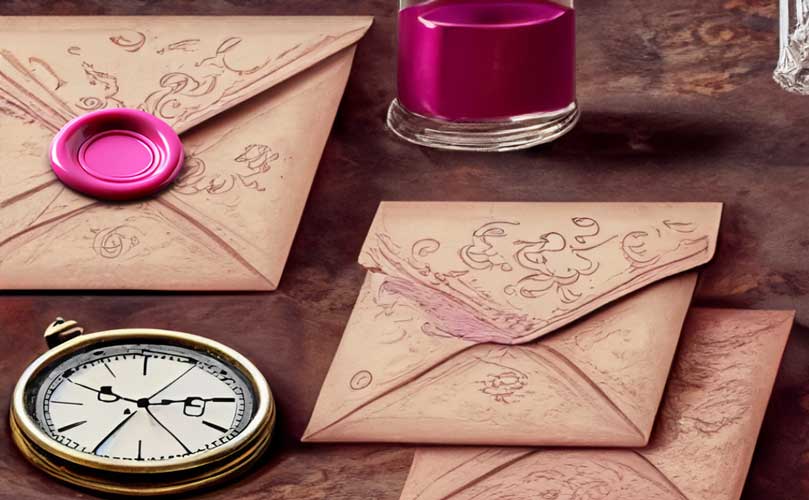
The History of Notecards and Envelopes
In a world built around instant digital communication, it’s fascinating to look back at the rich history of notecards and envelopes—simple but meaningful tools for connection, expression, and thoughtful correspondence.
From ancient beginnings to the digital age, these humble paper goods have evolved far beyond function. Over time, they’ve come to hold sentimental value, artistic beauty, and a lasting place in the way people connect across distance.
The Origins of Notecards and Envelopes
The Early Beginnings of Notecards
Papyrus Scrolls: Ancient Precursors to Notecards
The roots of notecards can be traced back to ancient civilizations, where papyrus scrolls served as an early precursor to these compact communication pieces. Egyptians crafted papyrus scrolls with intricate hieroglyphics, allowing them to share messages across distances and laying the groundwork for future written correspondence.
Chinese Paper Folding: The Art of Origami and Its Influence
In China, the art of paper folding gave rise to creative ways of conveying messages. Skilled craftsmen folded small paper cards known as “zhezhi,” embellishing them with beautiful designs and calligraphy—a practice that later influenced the development of notecards.
The Emergence of Envelopes
Wax-Sealed Letters: Medieval Protection and Privacy
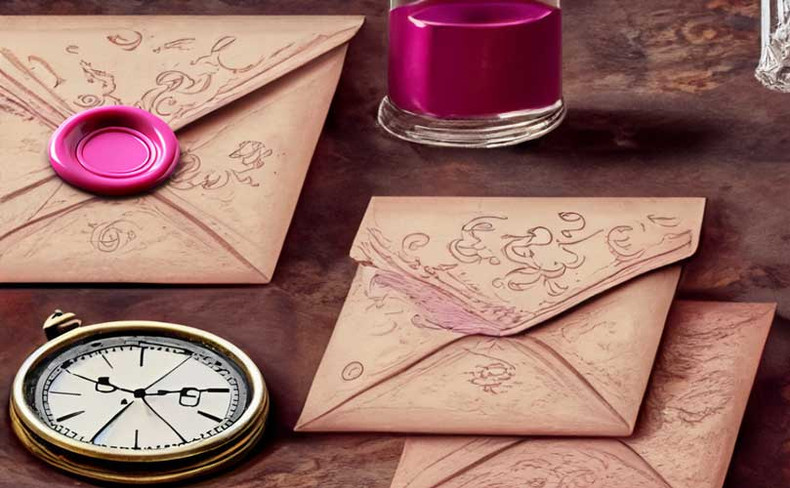
During the medieval era, envelopes as we know them today began to take shape when people used wax seals to enclose important letters, offering a layer of privacy and protection. This practice transformed folded paper into a more secure and discreet means of correspondence.
Development of Paper Envelopes in Europe
The envelope underwent major advancements in Europe during the 19th century. Innovators Edwin Hill and Warren De La Rue created the first mass-produced envelopes, revolutionizing how messages were enclosed, carried, and delivered.
Evolution Through the Ages
Renaissance Elegance and Correspondence
Handcrafted Notecards: A Renaissance Status Symbol
During the Renaissance, notecards were more than communication tools—they became status symbols. Artisans and scribes meticulously crafted hand-painted notecards adorned with intricate patterns and rich colors, reflecting the sender’s taste and refinement.
Decorative Envelopes: Expressing Style and Elegance
Envelopes evolved right alongside notecards during the Renaissance. Decorative envelopes featuring embossing, engravings, and fine materials showcased sophistication and added a sense of importance to the message inside.
18th and 19th Century Advancements
Industrial Revolution and Mass Production of Stationery
With the Industrial Revolution came a major shift in stationery production. Notecards and envelopes became more accessible to the general public, allowing more people to express their thoughts and sentiments with ease.
The Penny Post: Mail for the Masses
The establishment of Penny Post further popularized written correspondence. Affordable postage allowed people from many social classes to exchange letters and notecards, making meaningful connection more available than ever before.
The Golden Era
Victorian Sentiments and Sentimentality
Victorian Era: A Flourish in Design and Artistry
The Victorian era marked a golden age for notepaper, with an explosion of design and artistry. Intricate lace patterns, delicate floral motifs, and even fragrances adorned notes, reflecting the romantic and sentimental spirit of the time.
Love and Mourning: Emotional Communication through Notecards
In this era, letters and notes played an important role in expressing love, friendship, and sympathy. These small but heartfelt messages carried emotional weight in ways that still feel familiar today.
The Rise of Greeting Cards
Greeting Cards vs. Notecards: A Tale of Two Stationery Trends
As the popularity of notecards grew, greeting cards emerged as their own category. While notecards were used for personal messages, greeting cards were designed for specific occasions and offered a broader commercial format for celebration and sentiment.
Hallmark’s Influence: The Commercialization of Greeting Cards
The 20th century brought the rise of commercial greeting card companies, with Hallmark leading the way. Mass-produced cards became a familiar part of holidays and milestones, offering ready-made sentiments for a faster-paced world.
Notecards and Envelopes in Modern Times
The Digital Age and the Decline of Handwritten Communication
Email and Instant Messaging: Convenience vs. Personal Touch
The digital age brought speed and convenience to everyday communication, but it also made handwritten notes far less common. As email and text messages became the norm, the personal touch of pen and paper began to fade.
The Resurgence of Handwritten Notes: A Nostalgic Trend
Even so, handwritten notes have never fully disappeared. In fact, many people are rediscovering them because they offer something digital communication often lacks: warmth, intention, and a tangible sense of connection. That’s part of why handwritten communication is making a comeback today.
The Art of Letter Writing in the 21st Century
Preserving the Tradition: The Joy of Handwritten Letters
Amid the digital rush, a dedicated group of enthusiasts continues to preserve the art of letter writing. Handwritten letters and notecards still hold a meaningful place for people who value thoughtful, personal communication.
Modern Calligraphy: Combining Tradition and Contemporary Art
Modern calligraphy has also helped keep this tradition alive by blending old-world craftsmanship with contemporary style. Hand-lettering artists bring fresh beauty to notecards and envelopes, making personal correspondence feel both timeless and current.
The Timeless Appeal of Notecards and Envelopes
From ancient scrolls to modern stationery, the history of notecards and envelopes reflects the enduring human need for connection and expression. These seemingly simple paper goods have bridged cultures, centuries, and technologies while continuing to carry emotional meaning.
Even now, in an age of screens and instant replies, people still find joy in handwritten correspondence. There is something lasting about a message you can hold in your hands, tuck away, and return to later.
If you’d like to bring that timeless tradition into your own life, you can explore my selection of personalized notecards.